2 March 2026
Following the preliminary testing updates shared by Fondazione LINKS and Politecnico di Torino, the University of Ljubljana is pleased to contribute its own first results to the growing body of evidence being built within the PERSIMMON project.
Expert Interviews: Gathering Insights from the Field
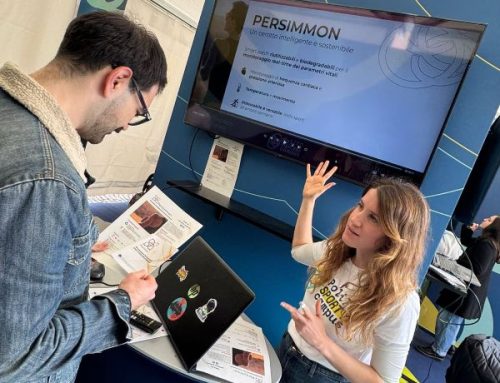
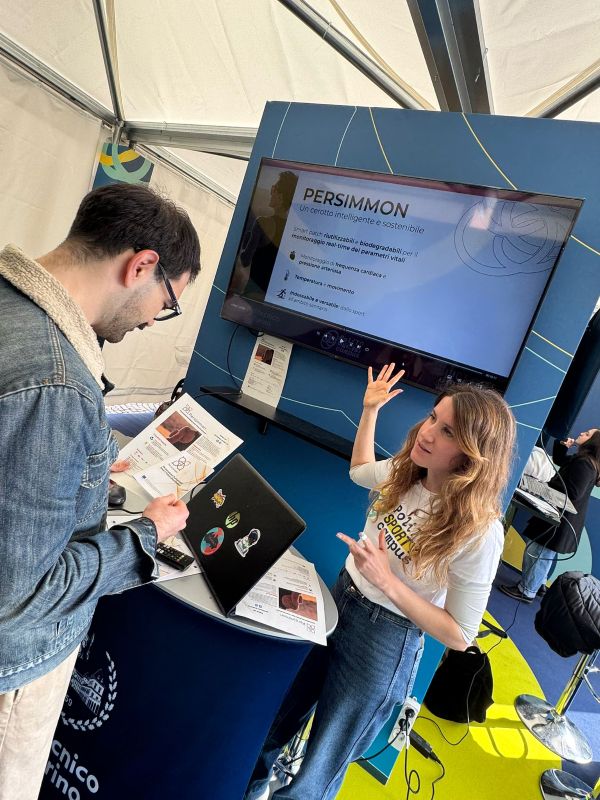
As a first step, the UL team conducted open-discussion interviews with several leading researchers active in endurance sports, gymnastics, football, and wearable technology. The goal was to gather expert input on the usability, opportunities, risks, and weaknesses of the PERSIMMON system as a whole.
The feedback received was rich and constructive. Experts identified PERSIMMON as a crucial technology, highlighting its potential to enable more adjustable measurement parameters, which could lead to higher quality recorded data and a more “plug-and-play” approach to data collection and analysis, ultimately giving researchers more time to focus on interpreting results rather than processing raw data.
Participants also pointed to strong potential for use during rehabilitation sessions, supporting optimal recovery for both injured athletes and chronic patients. Several concrete proposals for optimising the patch design were also put forward and will inform the next stages of development.
IMU and ECG Validation: Running and Cycling Tests
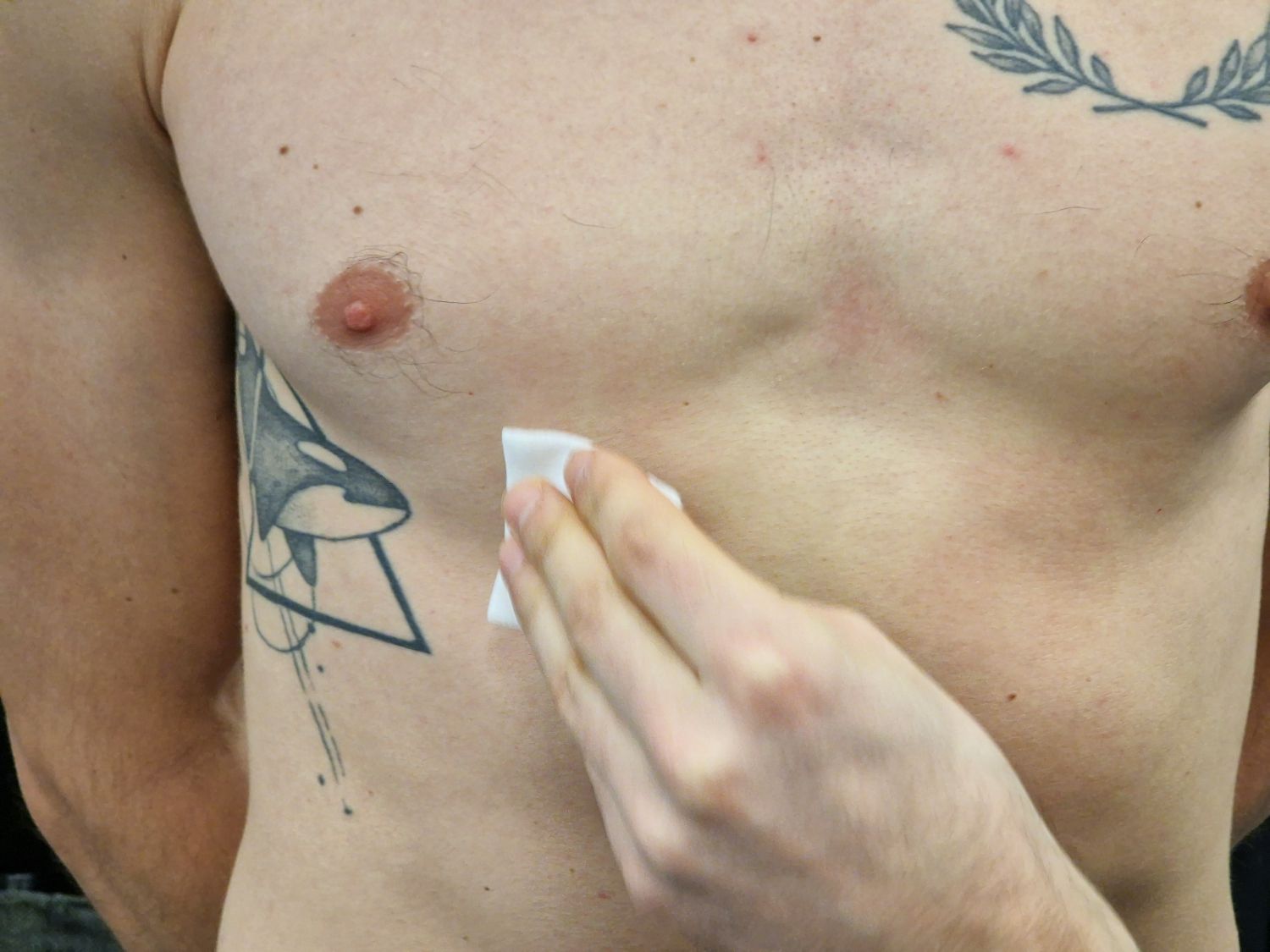
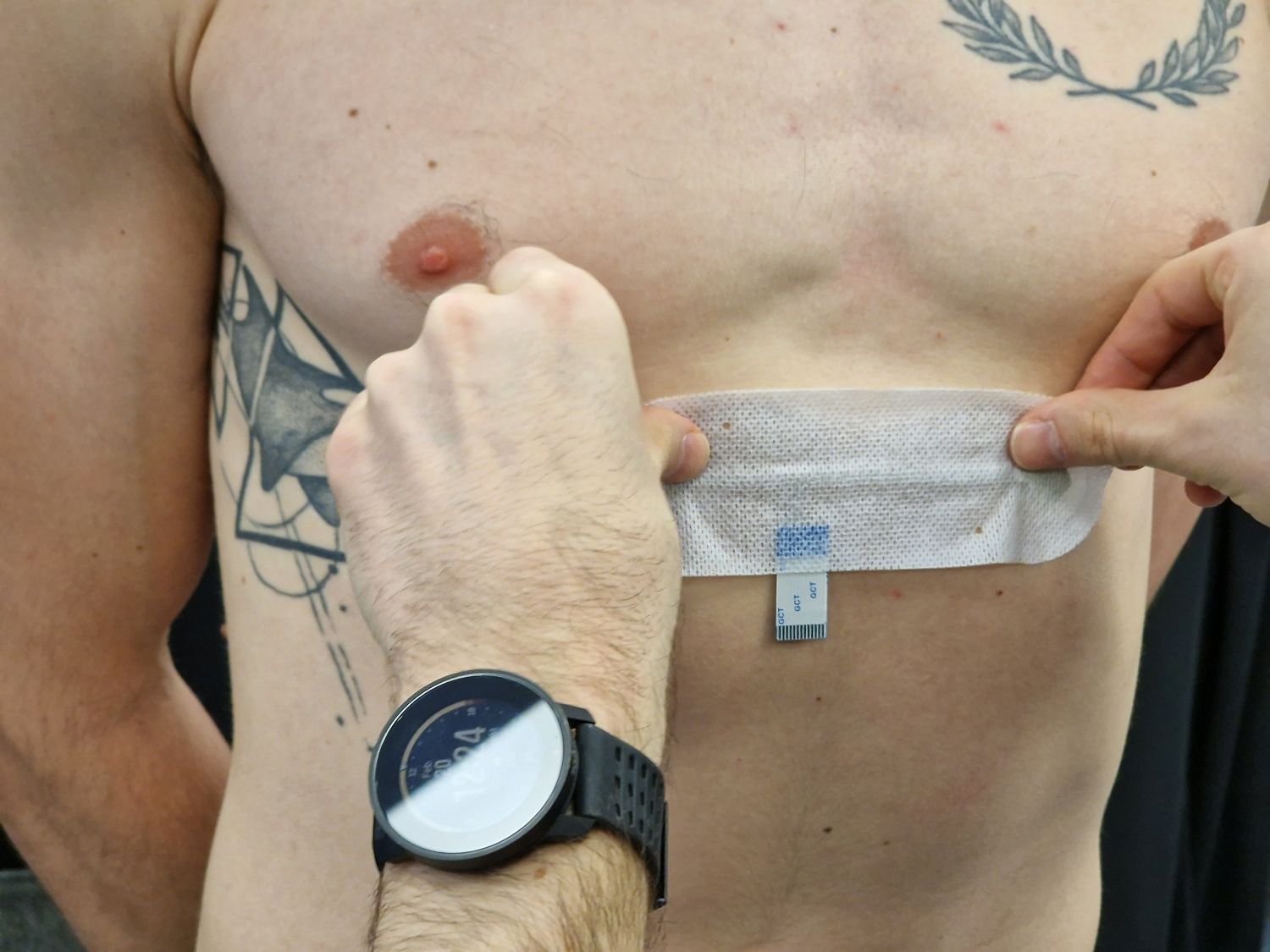
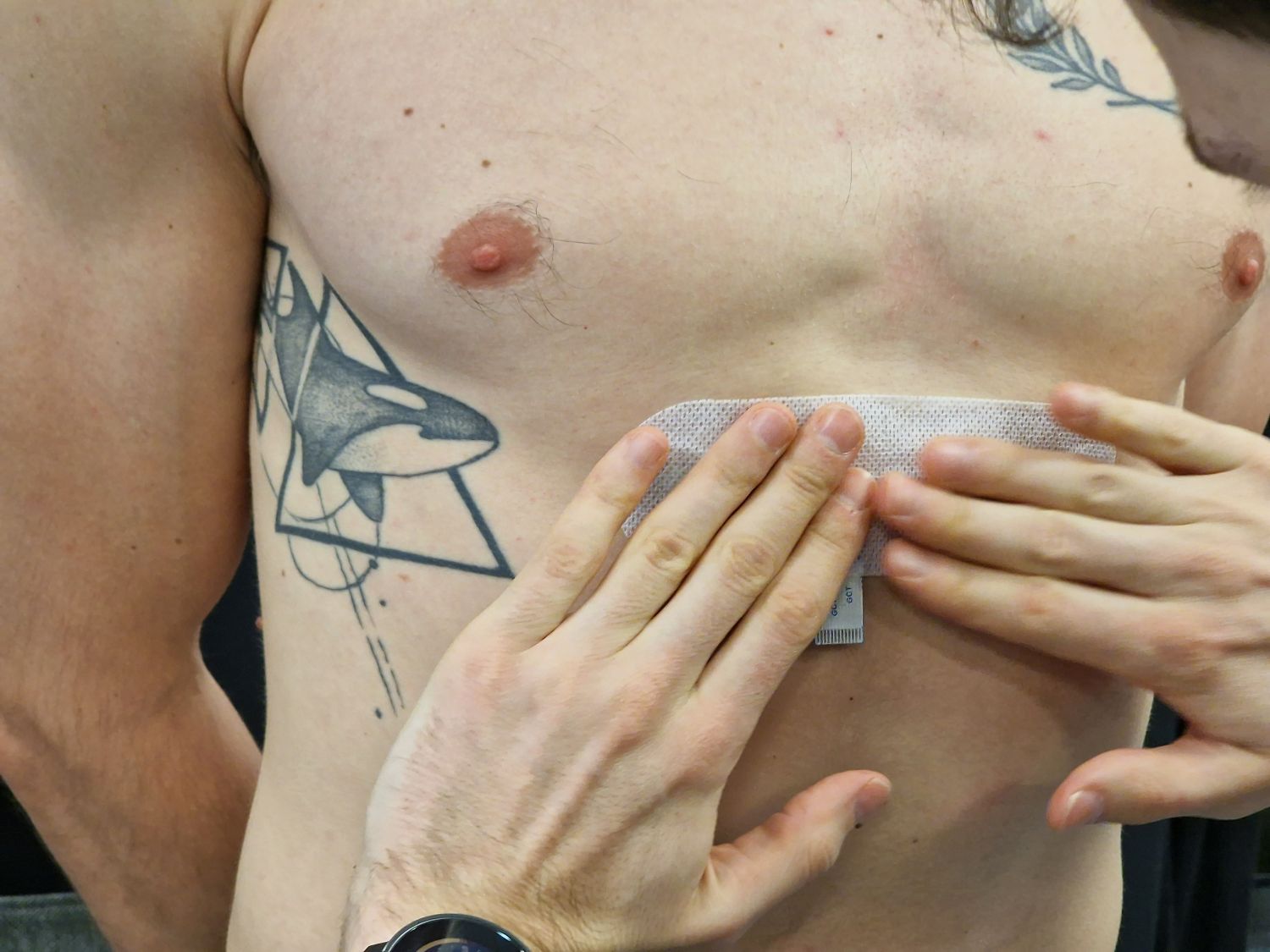
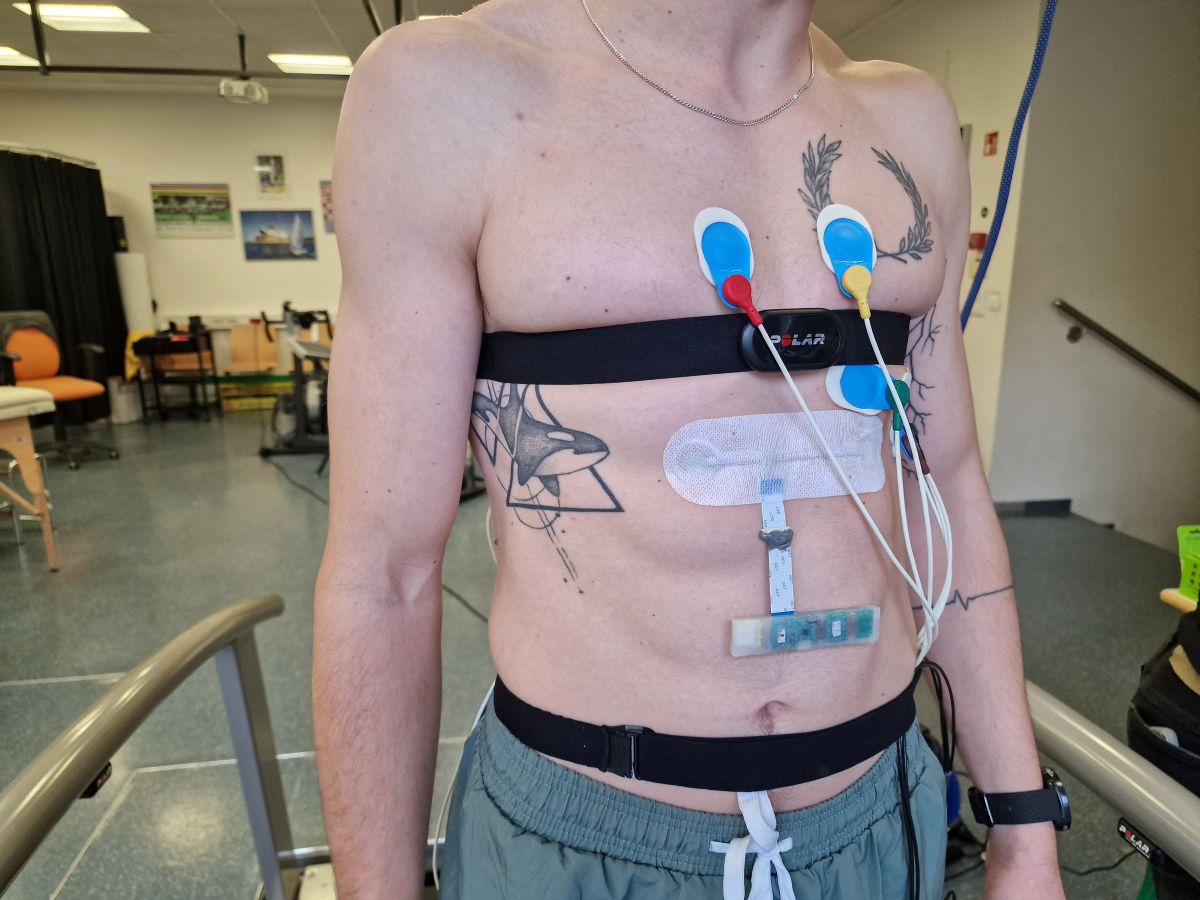
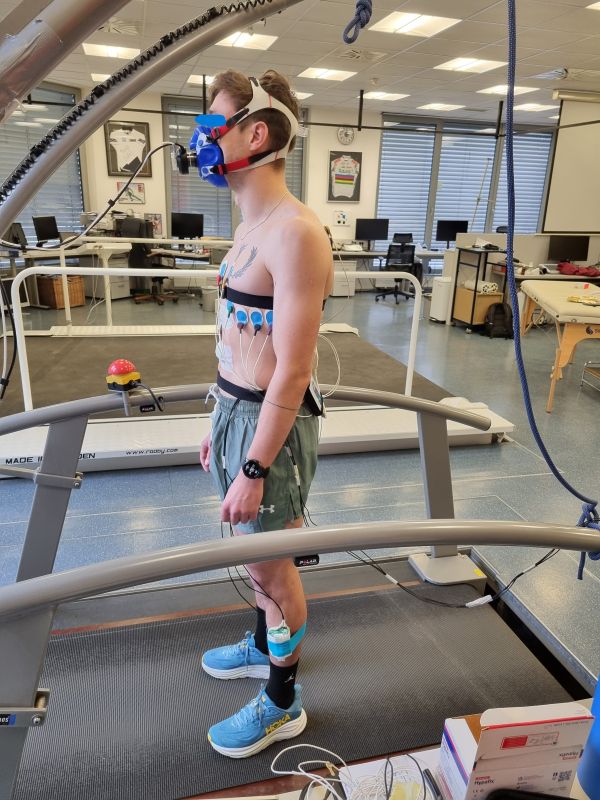
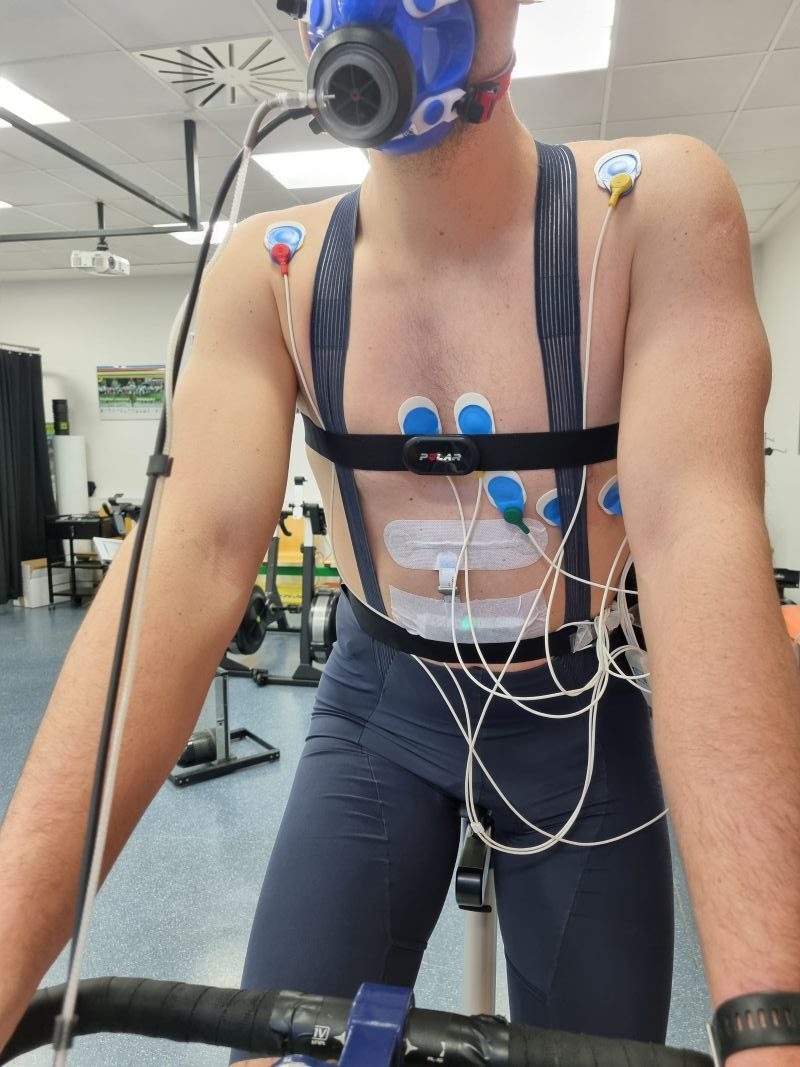
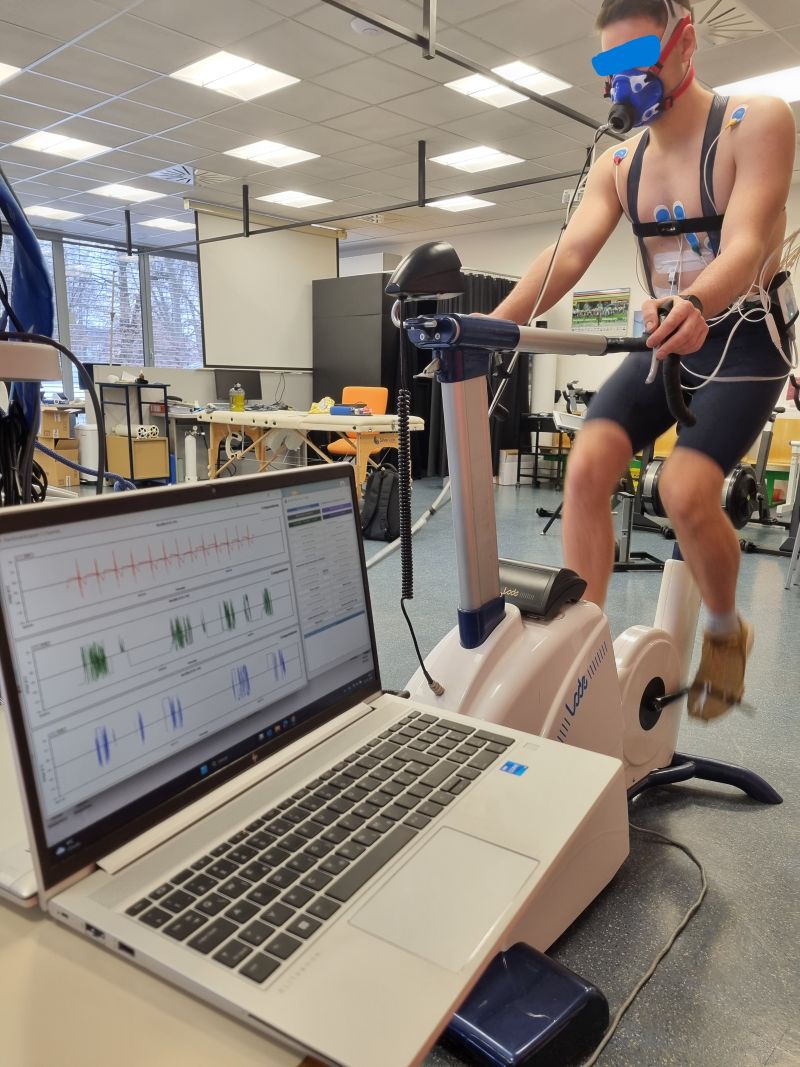
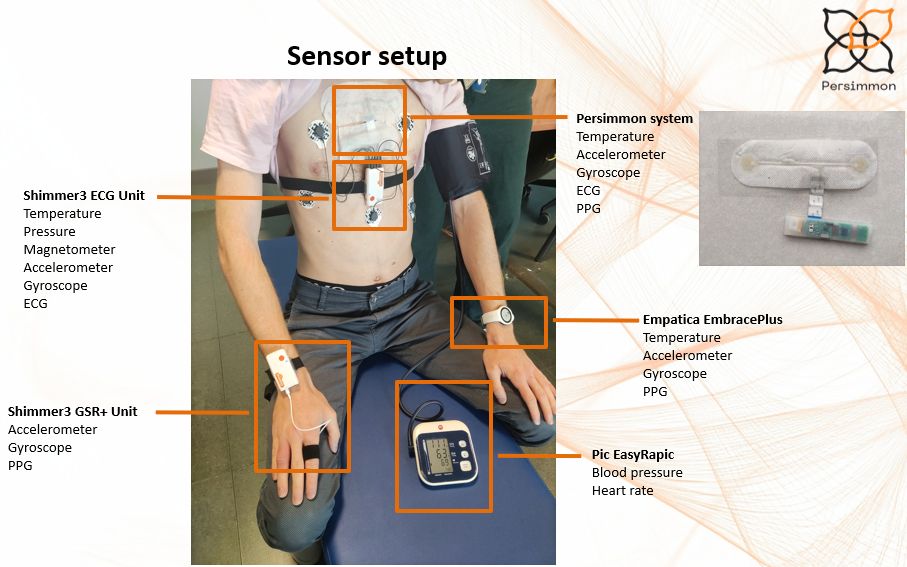
In a second phase of activity, the team carried out a preliminary validation of the IMU and ECG modules under real sport conditions, specifically during running and cycling.
The cadence estimation algorithms for both activities performed very well against reference data, representing a promising result for the system’s motion-sensing capabilities.
ECG validation produced mixed results. During cycling, heart rate estimated from the PERSIMMON ECG patch showed high similarity to the 12-lead ECG reference, with low Mean Absolute Error (MAE) and Root Mean Square Error (RMSE) values. Results from the running tests were less consistent, however these findings have already helped the team identify clear directions for further patch development and optimisation.
These early results reflect the iterative nature of PERSIMMON’s development process: each test, whether successful or not, contributes valuable information that shapes the next step forward.